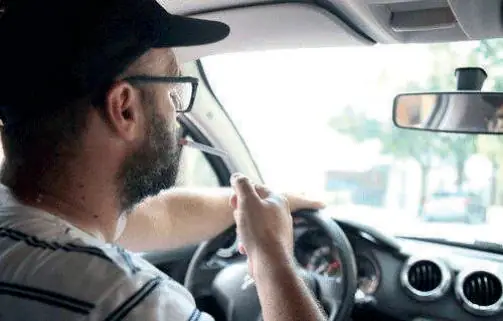
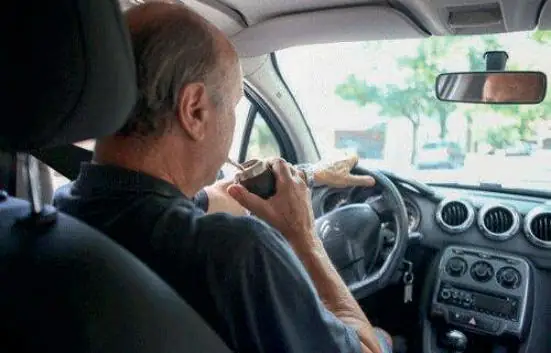
38 questions of the official theory exam question bank of the Province of Buenos Aires, translated into English, with the Spanish original under each line and the correct answer marked. The exam itself is in Spanish.
1. Consuming which of these substances can affect your ability to drive?¿Consumir cuál de estas sustancias pueden afectar la capacidad para conducir?
AIllegal drugs and some legal ones (such as alcohol and some medicines).Las drogas ilegales y algunas legales (como el alcohol y algunos medicamentos).Correct answer
BOnly illegal drugs.Sólo las drogas ilegales.
CAll kinds of drugs (legal and illegal).Todo tipo de drogas (las legales e ilegales).
Classes A and B. Official question bank, p. 26.
2. A person who drives under the influence of narcotics…La persona que conduce bajo los efectos de estupefacientes…
APuts themselves and everyone around them at serious risk.Se pone en grave riesgo a sí mismo y a todos los que lo rodean.Correct answer
BOnly puts their own life at risk.Sólo pone en riesgo su propia vida.
CTakes fewer risks, since they are less inhibited.Al estar desinhibido, asume menos riesgos.
Classes A and B. Official question bank, p. 27.
3. Which of these substances can negatively affect your ability to drive?¿Cuál de estas sustancias pueden afectar negativamente la capacidad de conducir?
AAll over-the-counter medicines that need no prescription.Todos los medicamentos, de venta libre, que no necesitan receta.
BAll medicines with sedative effects.Todos los medicamentos con efectos sedantes.Correct answer
CBoth answers, A and B, are correct.Ambas respuestas, la A y la B, son correctas.
Classes A and B. Official question bank, p. 27.
4. Can taking medicines affect your ability to drive?El consumo de medicamentos, ¿puede afectar la capacidad de conducir?
AAlways.Siempre.
BNever.Nunca.
CIt depends on the type of medicine.Depende del tipo de medicamento.Correct answer
Classes A and B. Official question bank, p. 27.
5. Because of their effects, illegal drugs are not allowed when driving, whereas legal drugs never negatively affect your ability to drive.Por los efectos que provoca, el consumo de drogas ilegales no está permitido al momento de conducir; mientras que las drogas legales nunca afectan negativamente la capacidad de conducir.
ATrue.Verdadero.
BFalse.Falso.Correct answer
Classes A and B. Official question bank, p. 27.
6. Can drinking alcohol impair your vision?Cuando se consume alcohol, ¿se pueden producir alteraciones en la visión?
AYes.Sí.Correct answer
BNo, it only affects motor skills.No, solamente afecta a la capacidad motora.
COnly above 1 gram of alcohol per liter of blood.Sólo cuando se tiene más de 1 gramo de alcohol por litro de sangre.
Classes A and B. Official question bank, p. 27.
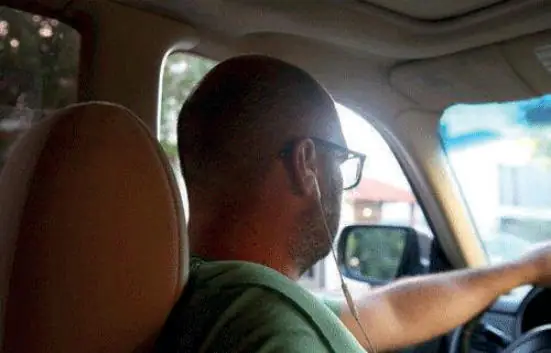
7. Once you stop drinking alcohol, what happens to the alcohol concentration in your body?Una vez que dejó de ingerir alcohol, ¿qué sucede con la concentración de alcohol que tiene en su organismo?
AIt starts dropping immediately.Comienza a disminuir de forma inmediata.
BIt keeps rising for 1 hour and then gradually starts to fall.Continúa subiendo durante 1 hora y luego comienza a descender paulatinamente.Correct answer
CIt stays at the same level for 1 hour and then starts to fall.Se mantiene en el mismo valor durante 1 hora y luego comienza a descender.
Classes A and B. Official question bank, p. 27.
8. Drinking beer affects driving: it reduces the driver's ability to react and increases the time needed to respond to a stimulus.Consumir cerveza influye en la conducción de un vehículo, haciendo que el conductor reduzca su capacidad de reacción y aumentando el tiempo necesario para responder ante un estímulo.
ATrue.Verdadero.Correct answer
BFalse.Falso.
Classes A and B. Official question bank, p. 27.
9. Driving the day after a night of heavy drinking is risky because:Conducir al día siguiente de una noche de consumo excesivo de alcohol es riesgoso porque:
AThe effects of alcohol do not end when you stop drinking; they last until your body has eliminated it.Los efectos del alcohol no terminan con la ingesta, sino que se extienden hasta haberlo eliminado del organismo.
BIn its effects on the body, driving with a hangover is comparable to driving drunk.Conducir con resaca es equiparable, por sus efectos en el organismo, a conducir alcoholizado.
CBoth answers, A and B, are correct.Ambas respuestas, la A y la B, son correctas.Correct answer
Classes A and B. Official question bank, p. 28.
10. Does a hangover have effects on the body that can affect driving?¿La resaca tiene efectos en el organismo que puedan afectar la conducción?
AYes, but only when the alcoholic drink consumed was very strong.Sí, pero sólo cuando la bebida alcohólica que se ingirió tiene un alto grado de concentración.
BNo, the alcohol level drops within hours, so driving with a hangover does not affect perception.No, el nivel de alcohol se ve reducido en cuestión de horas, por ello conducir con resaca no altera las percepciones.
CYes, it can affect coordination, attention and reaction time.Sí, puede afectar la coordinación, la atención y el tiempo de reacción.Correct answer
Classes A and B. Official question bank, p. 28.
11. Is it dangerous to drive with a hangover?¿Es peligroso conducir con resaca?
AYes, it is dangerous because it has effects on the body.Sí, es peligroso porque tiene efectos en el organismo.Correct answer
BNo, because the effects of alcohol appear during the first hours after drinking.No, ya que los efectos del alcohol aparecen durante las primeras horas de su ingesta.
CNo, because the effects of a hangover play no part in driving.No, ya que los efectos de la resaca no intervienen en la conducción.
Classes A and B. Official question bank, p. 28.
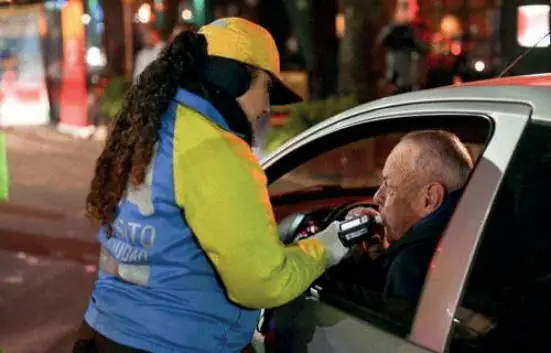
12. If a vehicle's driver refuses to take this test, is that an offense?Si el conductor de un vehículo se niega a realizar este test, ¿constituye ésto una falta?
AOnly if they were involved in a road crash.Sólo si se ha participado de un siniestro vial.
BNo. Only a positive test actually taken counts as an offense.No. Sólo la prueba positiva, efectivamente realizada, se considera una falta.
CYes, the refusal is treated as a presumed positive blood alcohol result.Sí, la misma se toma como una presunción de alcoholemia positiva.Correct answer
Classes A and B. Official question bank, p. 28.
13. If a driver refuses to take a blood alcohol test, can the officer prohibit them from continuing to drive?Frente a la negativa por parte del conductor a realizar una prueba de alcoholemia, ¿el agente de control podrá prohibirle continuar conduciendo?
AYes, since a positive blood alcohol result is presumed.Sí, ya que se presume el estado de alcoholemia positiva.
BYes, they must order the vehicle to be removed.Sí, deberá ordenar la remoción del vehículo.
CBoth answers, A and B, are correct.Ambas respuestas, la A y la B, son correctas.Correct answer
Classes A and B. Official question bank, p. 29.
14. What is the maximum blood alcohol level allowed for a professional driver?¿cuál es el nivel máximo de alcoholemia admitido para un conductor profesional?
A0.5 grams of alcohol per liter of blood.0,5 gramos de alcohol por litro de sangre.
B0.0 grams of alcohol per liter of blood.0,0 gramos de alcohol por litro de sangre.Correct answer
C0.2 grams of alcohol per liter of blood.0,2 gramos de alcohol por litro de sangre.
Classes A and B. Official question bank, p. 29.
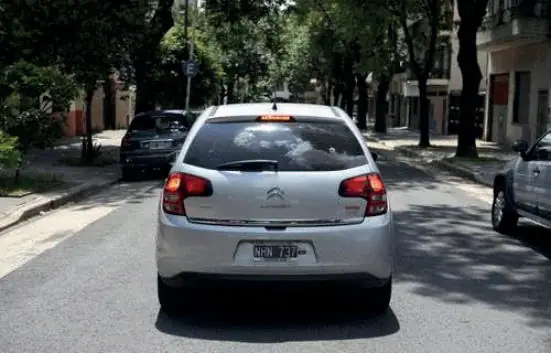
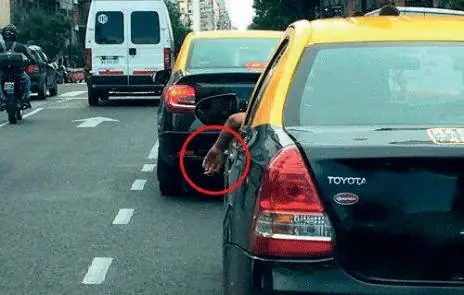
15. What is the maximum blood alcohol level allowed for the driver of the vehicle shown in the image?¿Cuál es el nivel máximo de alcoholemia admitido para el conductor del vehículo que se visualiza en la imagen?
A0.5 grams of alcohol per liter of blood.0,5 gramos de alcohol por litro de sangre.
B0.0 grams of alcohol per liter of blood.0,0 gramos de alcohol por litro de sangre.Correct answer
C0.2 grams of alcohol per liter of blood.0,2 gramos de alcohol por litro de sangre.
Answer updated. The question bank marks 0.5 g/l, but zero alcohol has applied since 2023: provincial Ley 15.402 and national Ley 27.714 ban driving with any alcohol in the blood.
Classes A and B. Official question bank, p. 29.
16. On a long trip, how often is it advisable to stop?¿Cada cuánto tiempo es recomendable parar si se realiza un viaje largo?
AAbout every 2 hours.Cada 2 horas aproximadamente.Correct answer
BAbout every 4 hours.Cada 4 horas aproximadamente.
CAbout every 1 hour.Cada 1 hora aproximadamente.
Classes A and B. Official question bank, p. 30.
17. If you are going to drive for a long time, it is advisable to sleep the night before...Si se va a conducir por un largo tiempo, lo recomendable es dormir la noche anterior...
CA few hours; the amount does not affect driving, since what matters is taking rest stops.Algunas horas, su cantidad no influye en la conducción ya que lo importante es realizar paradas de descanso.
Classes A and B. Official question bank, p. 30.
18. Does being awake for 17 hours make your reactions the same as those of a person whose blood alcohol level is above the legal limit?¿Estar 17 horas despierto provoca tener el mismo nivel de reacción que una persona con un nivel de alcohol en sangre mayor al permitido por Ley?
AYes, since both conditions increase reaction time.Sí, ya que ambas condiciones aumentan el tiempo de reacción.Correct answer
BNo, since only a positive blood alcohol level increases reaction time.No, ya que sólo tener alcoholemia positiva aumenta el tiempo de reacción.
CNo, rest has nothing to do with drinking alcohol.No, el descanso no tiene nada que ver con el consumo de alcohol.
Classes A and B. Official question bank, p. 30.
19. Tiredness can be brought on by consuming:El cansancio puede verse inducido por ingerir:
AAlcoholic drinks.Bebidas alcohólicas.
BHeavy meals.Comidas abundantes.
CBoth answers, A and B, are correct.Ambas respuestas, la A y la B, son correctas.Correct answer
Classes A and B. Official question bank, p. 31.
20. Which of these are warning signs of fatigue while driving?¿Cuáles de éstos son los síntomas que advierten sobre la fatiga en la conducción?
AA feeling of euphoria.La sensación de euforia.
BBlurred vision and blinking more often and for longer.La visión borrosa y el aumento del número y duración de parpadeos.Correct answer
CNot moving in the seat or changing posture.No realizar movimientos en el asiento, ni cambios de postura.
Classes A and B. Official question bank, p. 31.
21. Can a new driver get tired more easily?Un conductor principiante, ¿puede sentirse más fácilmente fatigado?
AYes, because of lack of driving experience.Sí, por la falta de experiencia en la conducción.Correct answer
BNo, because we are all equal before the law.No, porque todos somos iguales ante la Ley.
COnly in the case of a person with chronic fatigue.Únicamente cuando se trata de una persona que padece de fatiga crónica.
Classes A and B. Official question bank, p. 31.
22. Why is it dangerous to drive tired?¿Por qué es peligroso conducir cansado?
ABecause it reduces your ability to react and increases the time needed to respond to a stimulus.Porque reduce la capacidad de reacción y aumenta el tiempo necesario para responder ante un estímulo.Correct answer
BBecause you drive faster.Porque se circula más rápido.
CBecause the trip takes longer.Porque el viaje dura más.
Classes A and B. Official question bank, p. 31.
23. What are the consequences of driving after only a few hours of sleep?¿Qué consecuencias tiene conducir habiendo dormido pocas horas previamente?
AIt reduces your ability to react and your alertness.Reduce la capacidad de reacción y el estado de alerta.
BIt makes you prone to bad decisions, putting lives at risk.Predispone a tomar malas decisiones, poniendo en riesgo la vida.
CBoth answers, A and B, are correct.Ambas respuestas, la A y la B, son correctas.Correct answer
Classes A and B. Official question bank, p. 31.
24. To prevent or delay fatigue, the driver is advised to:Para evitar o retrasar la aparición de la fatiga, es aconsejable que el conductor:
AListen to loud music.Escuche música a alto volúmen.
BKeep the inside of the vehicle above 25 °C.Mantenga el interior del vehículo a una temperatura superior a 25 °C.
CKeep the inside of the vehicle well ventilated.Mantenga bien ventilado el interior del vehículo.Correct answer
Classes A and B. Official question bank, p. 31.
25. Can it negatively affect driving if the passenger starts an argument with the driver or with someone else on the road?¿Puede afectar negativamente la conducción, si el acompañante comienza una discusión con el conductor o con otra persona de la vía pública?
AOnly if it is with the driver. If the argument is with someone else, it keeps the driver alert, since tension prevents drowsiness.Sólo si es con el conductor. Si la discusión es con otra persona, lo mantiene en alerta ya que la tensión evita la somnolencia.
BYes, it can impair the driver's attention to the surroundings, since arguments cause stress.Sí, puede entorpecer su capacidad de atención al contexto, ya que las discusiones generan un estado de estrés.Correct answer
CIt has no effect at all, as long as the driver is legally fit to drive.No genera ningún efecto, siempre y cuando el conductor esté en condiciones legales para conducir.
Classes A and B. Official question bank, p. 32.
26. Under stress, driving becomes:Bajo los efectos del estrés, la conducción se vuelve:
AMore reckless.Más temeraria.
BLess safe.Menos segura.
CBoth answers, A and B, are correct.Ambas respuestas, A y B, son correctas.Correct answer
Classes A and B. Official question bank, p. 32.
27. Stress does not necessarily impair your ability to drive safely.El estrés no necesariamente puede alterar las capacidades para conducir de manera segura.
ATrue.Verdadero.
BFalse.Falso.Correct answer
Classes A and B. Official question bank, p. 32.
28. What is a driver's average reaction time from seeing a hazard to applying the brake?¿Cuál es el tiempo promedio de reacción de un conductor desde que percibe un peligro hasta que acciona el freno?
CIt is immediate; no time passes between these actions.Es inmediato, no transcurre tiempo entre estas acciones.
Classes A and B. Official question bank, p. 32.
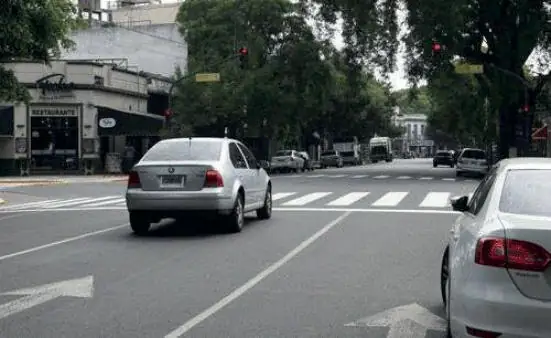
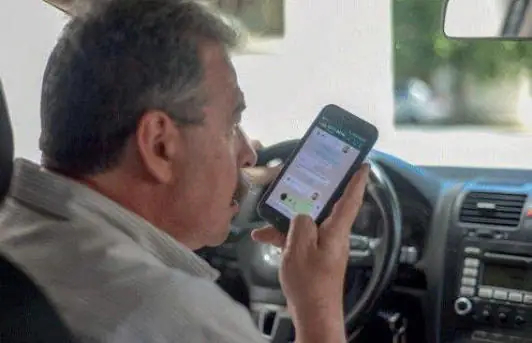
29. In this situation, is it risky for the driver to use the mobile phone?Durante esta situación, ¿es riesgoso que el conductor utilice el teléfono celular?
ANo, since there are no other vehicles next to them.No, ya que no hay otros vehículos junto a él.
BYes, because even though they are stopped, they are on the roadway and their attention is not on the surroundings.Sí, ya que a pesar de estar detenido, está en la vía de circulación y su atención no está dirigida al contexto.Correct answer
CNo, since the vehicle is not moving.No, ya que el vehículo no está en movimiento.
Classes A and B. Official question bank, p. 32.
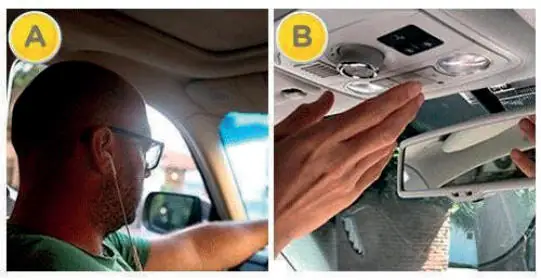
30. Which of these phone systems is not considered risky while driving a vehicle?¿Cuál de estos sistemas de comunicación telefónica no es considerado riesgoso al momento de conducir un vehículo?
AOption A, because with only one earpiece your hearing is not affected.Opción A. Ya que al utilizar un sólo auricular la audición no se encuentra afectada.
BOption B, because with hands-free on, your hands are free for driving.Opción B. Ya que al activar el manos libres las manos quedan disponibles para la conducción.
CBoth systems are risky.Ambos sistemas son riesgosos.Correct answer
Classes A and B. Official question bank, p. 33.
31. Is the following action by the driver considered a risk factor?La siguiente acción del conductor, ¿es considerada un factor de riesgo?
ANo, since the driver is not using their hands to hold a phone conversation.No, ya que el conductor no está utilizando sus manos para mantener una comunicación telefónica.
BYes, only when driving at high speed.Sí, sólo cuando circula a altas velocidades.
CYes, because it interferes with their attention to the surroundings.Sí, porque interfiere en su atención al contexto.Correct answer
Classes A and B. Official question bank, p. 33.
32. The following action by the driver is risky because:La siguiente acción del conductor es riesgosa porque:
AIt reduces their attention, limits their hearing, reduces their ability to react and increases the time needed to respond to a stimulus.Disminuye su capacidad atencional, limita el sentido de la audición, reduce la capacidad de reacción y aumenta el tiempo necesario para responder ante un estímulo.
BThe driver must keep both hands busy driving, and handling it would reduce their ability to maneuver.El conductor debe mantener ambas manos comprometidas en la acción de conducir y al manipularlo, reduciría su capacidad para maniobrar.
CBoth answers, A and B, are correct.Ambas respuestas, la A y la B, son correctas.Correct answer
Classes A and B. Official question bank, p. 34.
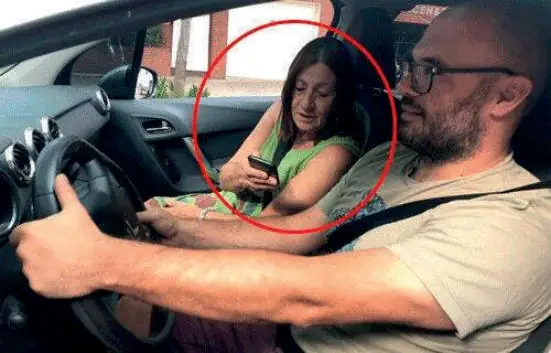
33. Is the action of the person circled in red prohibited?¿Se encuentra prohibida la acción de la persona señalada con el círculo rojo?
AYes, because they are in the front seat.Sí, porque se encuentra en el asiento delantero.
BNo, because the ban on using mobile phones applies only to the vehicle's driver.No, porque la prohibición del uso de telefonía celular alcanza sólo al conductor del vehículo.Correct answer
CYes, it is prohibited for all occupants of the vehicle.Sí, su uso se encuentra prohibido para todos los ocupantes del vehículo.
Classes A and B. Official question bank, p. 35.
34. If a driver needs to make an urgent call on a mobile phone, what should they do to avoid creating a risk on the road?Si un conductor necesita realizar una llamada de urgencia con el teléfono celular, ¿qué debe hacer para no generar una situación de riesgo en la vía pública?
ATurn on the hazard lights and stop where stopping is allowed.Colocar balizas y detenerse en un lugar donde esté permitido.Correct answer
BMove into the right lane to drive slowly, and use the hazard lights.Ocupar el carril derecho, para circular a baja velocidad, y utilizar las balizas.
CSince it is an urgent call, it does not matter where it is made.Al tratarse de una llamada de urgencia, no importa donde se realice.
Classes A and B. Official question bank, p. 35.
35. Is this behavior risky while driving?La presente conducta, ¿es riesgosa al momento de conducir?
AYes, because it is considered a distraction.Sí, porque es considerado un factor de distracción.Correct answer
BOnly when driving at high speed.Únicamente si se circula a altas velocidades.
COn the contrary, it helps you stay focused on driving.Al contrario, ayuda a mantener la atención en la conducción.
Classes A and B. Official question bank, p. 35.
36. The action shown in the image is considered risky when driving a vehicle.La acción que se presenta en la imagen es considerada riesgosa para la conducción de un vehículo.
ATrue.Verdadero.Correct answer
BFalse.Falso.
Classes A and B. Official question bank, p. 36.
37. What the driver is doing in the image is risky for driving.La acción que realiza el conductor en la imagen es riesgosa para la conducción.
ATrue.Verdadero.Correct answer
BFalse.Falso.
Classes A and B. Official question bank, p. 36.
38. Which of the following actions are considered distractions when driving a vehicle?¿Cuáles de las siguientes acciones son consideradas factores de distracción cuando se conduce un vehículo?
AOptions A, B and C.Las opciones A, B y C.Correct answer