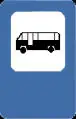
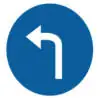
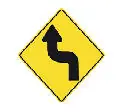
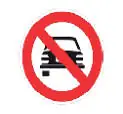
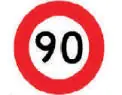
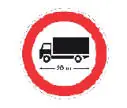
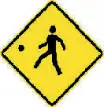
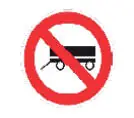
99 questions of the official theory exam question bank of the Province of Buenos Aires, translated into English, with the Spanish original under each line and the correct answer marked. The exam itself is in Spanish. 4 questions here are eliminatory: a wrong answer to any of them on the exam means you fail.
1. At a stop sign you must:Ante una señal de pare Ud debe:
ASlow down.Disminuir la velocidad.
BBring the vehicle to a complete stop.Detener por completo el vehículo.Correct answer
CGo ahead.Avanzar.
Classes A and B. Official question bank, p. 71.
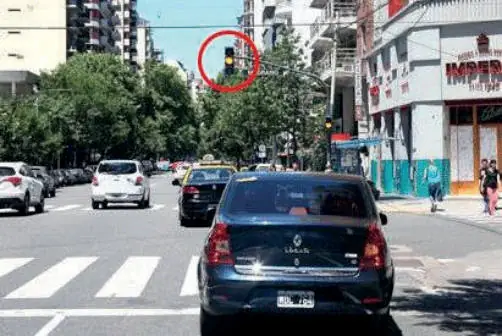
2. What does a traffic light with a flashing red light indicate?Que indica un semáforo con luz intermitente roja?
AThat it is a risky crossing and must be crossed with caution.Que es un cruce riesgoso y efectuar el mismo con precaución.
BThat it is a risky crossing and you must stopQue es un cruce riesgoso y detener la marchaCorrect answer
CThat you must turn leftQue se debe girar a la izquierda
Classes A and B. Official question bank, p. 71.
3. Indicate the correct order of precedence of the rulesIndique el orden correcto de prioridad normativa
ACurrent law, traffic signs, municipal ordinance.Ley vigente, Señales de tránsito, ordenanza.
BTraffic officer, traffic signs, current law.Agente de tránsito, señales de tránsito, ley vigente.Correct answer
CDriver, traffic signs, municipal ordinance.Conductor, Señales de tránsito, Ordenanza.
Classes A and B. Official question bank, p. 71.
4. Do road markings have regulatory force?La demarcación horizontal, tiene alcance reglamentario?
AOnly if they come with a road sign.Solo si va acompañada a la señalización vertical.
BYes, even if there is no road sign.Si, aunque no exista señal vertical.Correct answer
Classes A and B. Official question bank, p. 72.
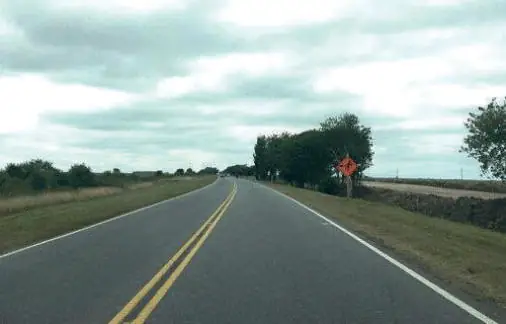
5. An orange warning sign indicates…La señal de prevención de color anaranjado indica…
AA hazard on a road in normal condition.Un peligro en una ruta con características normales.
BA hazard on a road under construction.Un peligro ruta en obra.Correct answer
Classes A and B. Official question bank, p. 72.
6. A regulatory prohibition or restriction sign: from where does it apply?Una señal reglamentaria de prohibición o restricción. Desde donde tiene vigencia?
AFrom where the road user sees it.Desde donde el usuario la vea.
BFrom the place where it is installed.Desde el lugar donde está emplazada.Correct answer
Classes A and B. Official question bank, p. 72.
7. What do blue road signs indicateQue indica el señalamiento vertical de color azul
ARestrictionRestricción
BinformationinformaciónCorrect answer
CWarningPrevención
Classes A and B. Official question bank, p. 72.
8. What do road signs with a red border indicateQue indica el señalamiento vertical con una orla roja
ARestrictionRestricciónCorrect answer
Binformationinformación
CWarningPrevención
Classes A and B. Official question bank, p. 72.
9. What do yellow road signs indicateQue indica el señalamiento vertical de color amarillo
ARestrictionRestricción
Binformationinformación
CWarningPrevenciónCorrect answer
Classes A and B. Official question bank, p. 72.
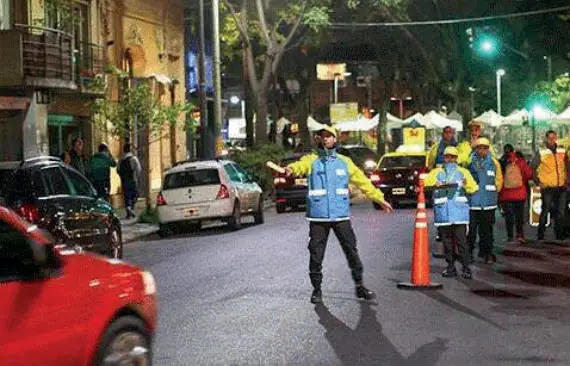
10. What is the traffic officer telling a driver with this signal?¿Qué está indicando el agente de tránsito al realizar esta señal a un conductor?
ATo drive with caution.Que circule con precaución.
BTo stop the vehicle.Que detenga el vehículo.Correct answer
CTo keep moving.Que continúe avanzando.
Classes A and B. Official question bank, p. 72.
11. Traffic officers may stop a vehicle only when police officers are present.Los Agentes de Tránsito pueden proceder a la detención de un vehículo únicamente con la presencia de personal policial.
ATrue.Verdadero.
BFalse.Falso.Correct answer
Classes A and B. Official question bank, p. 73.
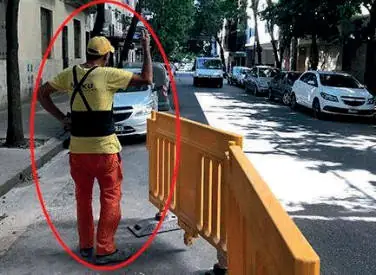
12. If, while driving on a road, the person indicated tells you to stop, are you obliged to obey?Si al circular por una vía y la persona señalada le indica detenerse, ¿está obligado usted a obedecer?
AYes, because as road workers they are authorized to control the flow of vehicles on the section where they are working.Sí, porque al ser personal de obra está autorizado a regular el paso de vehículos en el tramo donde están trabajando.Correct answer
BOnly if you perceive a risky situation, since road workers do not have the legal authority to give that instruction.Sólo si se percibe una situación riesgosa ya que el personal de obra no tiene la autoridad legal para realizar dicha indicación.
CNo, because they have no authority: the law gives that role only to traffic officers.No, porque no tiene autoridad ya que la Ley sólo delega dicha función a los agentes de tránsito.
Classes A and B. Official question bank, p. 73.
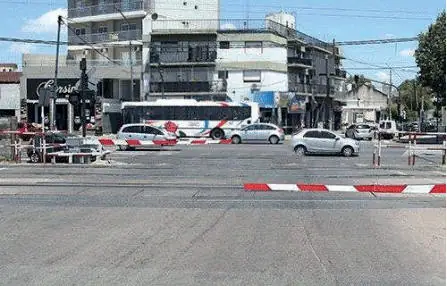
13. If you are in this situation and the railway staff tell you to go ahead, what should you do?Si se encuentra en esta situación y el personal ferroviario le indica que avance, ¿qué debe hacer?
AGo ahead, because railway staff are authorized to control the flow of vehicles.Avanzar porque el personal ferroviario está autorizado a regular el paso de vehículos.Correct answer
BStop and wait until the barrier is raised, because railway staff do not have the legal authority to give that instruction.Detenerme y esperar hasta que la barrera se levante porque el personal ferroviario no tiene la autoridad legal para realizar dicha indicación.
CStop and wait until the barrier is raised, unless the instruction is given by a traffic officer, since that is the only competent authority.Detenerme y esperar hasta que la barrera se levante, salvo que la indicación sea realizada por un agente de tránsito ya que es la única autoridad competente.
Classes A and B. Official question bank, p. 74.
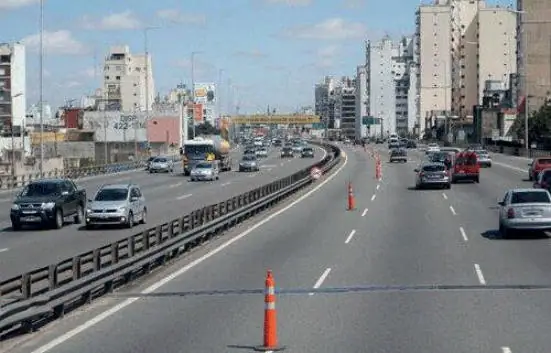
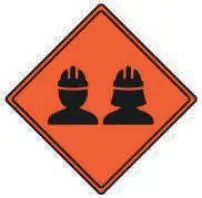
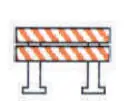
14. What do the orange temporary signs placed on the roadway in this image indicate?¿Qué indican las señales transitorias naranjas ubicadas en la calzada de la presente imagen?
AThey reinforce the meaning of the broken lane lines because it is a dangerous area.Refuerzan el significado de las líneas discontinuas del carril porque es una zona peligrosa.
BNothing; they are not traffic signs and placing them is illegal.Nada, no son señales de circulación y es ilegal su colocación.
CThat you must not cross the imaginary line joining them.La prohibición de sobrepasar la línea imaginaria que las une.Correct answer
Classes A and B. Official question bank, p. 74.
15. Temporary signs mark construction and maintenance work on the road or in areas close to it:Las señales transitorias señalizan la ejecución de trabajos de construcción y mantenimiento en la vía, o en zonas próximas a las mismas:
ATrue.Verdadero.Correct answer
BFalse.Falso.
Classes A and B. Official question bank, p. 75.
16. Temporary signs take precedence over traffic lights if they change the normal use of the road.La señalización transitoria se encuentra como prioridad normativa sobre los semáforos, si es que modifica el régimen normal de uso de la vía.
ATrue.Verdadero.Correct answer
BFalse.Falso.
Classes A and B. Official question bank, p. 75.
17. What type of sign is shown in the following image?¿Qué tipo de señal es la siguiente imagen?
ARegulatory.Reglamentaria.
BTemporary.Transitoria.Correct answer
CInformation.Informativa.
Classes A and B. Official question bank, p. 75.
18. If, while driving, you reach an intersection with this flashing signal, what should you do?Si al conducir un vehículo se encuentra en una intersección con esta señalización intermitente, ¿qué actitud debe tomar?
AI am obliged to stop, and when no more vehicles are traveling on the cross street, I can move on.Tengo la obligación de detener la marcha y cuando no haya más vehículos circulando por la arteria que cruza, puedo reiniciarla.
BSince I have priority, I must cross quickly so as not to obstruct the road.Al tener prioridad, debo atravesarla rápidamente para no obstaculizar la vía.
CCross with the utmost caution.Efectuar el cruce con máxima precaución.Correct answer
Classes A and B. Official question bank, p. 76.
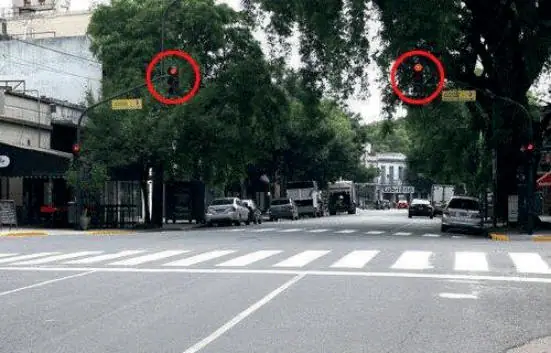
19. If, while driving, you reach an intersection with this flashing signal, what should you do?Si al conducir un vehículo se encuentra en una intersección con esta señalización intermitente, ¿qué actitud debe tomar?
AStop and cross when you are certain there is no risk at all.Detener la marcha y realizar el cruce cuando se tenga la certeza de que no existe riesgo alguno.Correct answer
BSince I have priority, I must cross quickly so as not to obstruct the road.Al tener prioridad, debo atravesarla rápidamente para no obstaculizar la vía.
CTake extra care when crossing, without needing to stop.Extremar precauciones al cruzar sin la necesidad de detenerme.
Classes A and B. Official question bank, p. 76.
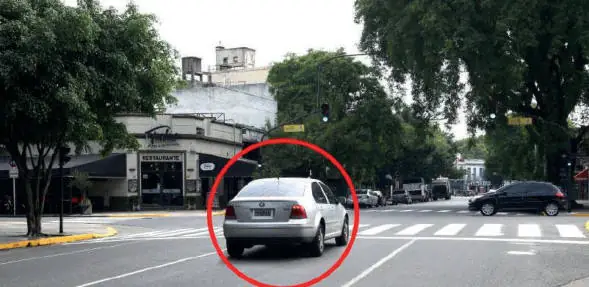
20. In this situation, what should the driver of the vehicle circled in red do?Frente a esta situación, ¿qué debe hacer el conductor del vehículo señalado con el círculo rojo?
AGo ahead if the crossing vehicle is moving slowly, because the green light gives the right of way.Avanzar si es que el vehículo que cruza lo hace lentamente porque la prioridad de paso está dada por la luz verde.
BNot start crossing until the other vehicle has finished crossing.No iniciar el cruce, hasta que el otro vehículo haya completado el suyo.Correct answer
CGo ahead quickly if the crossing vehicle has not yet reached the middle, so the intersection is left clear.Avanzar rápidamente si el vehículo que cruza todavía no llegó a mitad del cruce, de esa manera se deja libre la intersección.
Classes A and B. Official question bank, p. 77.
21. When a traffic light changes from red to green, it allows you to move off; even so, what precautions must you take?Cuando un semáforo cambia de luz roja a verde, está habilitando a reiniciar la marcha; no obstante ello, ¿qué precauciones se deben adoptar?
ADo not start crossing if there is no room for your vehicle on the other side without blocking cross traffic.No iniciar el cruce si no hay espacio para ubicar el vehículo del otro lado sin obstruir la circulación transversal.
BBefore moving off, let any vehicle or pedestrian that has already started crossing finish.Permitir, antes de avanzar, que complete el cruce otro vehículo o peatón que ya lo haya iniciado.
CBoth answers, A and B, are correct.Ambas respuestas, la A y la B, son correctas.Correct answer
Classes A and B. Official question bank, p. 78.
22. An instruction can be given by a road sign or by a road marking, since both have the same meaning and rank.Una indicación puede estar expresada con una señal vertical o con una demarcación horizontal, ya que ambas tienen el mismo significado y orden jerárquico.
ATrue.Verdadero.Correct answer
BFalse.Falso.
Classes A and B. Official question bank, p. 78.
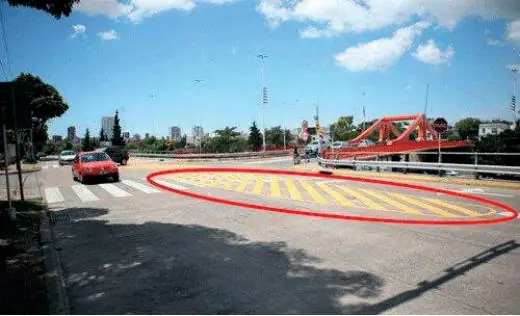
23. What does this yellow marking on the roadway indicate?¿Qué indica esta demarcación amarilla en la calzada?
AThat it is an area for stopping and parking vehicles.Que es un sector destinado a la detención y al estacionamiento de vehículos.
BThat you must drive slowly through its central part.Que se debe circular lentamente por su sector central.
CThat you must not drive over it.Que no se debe circular sobre ella.Correct answer
Classes A and B. Official question bank, p. 78.
24. In road markings, what is meant by a "traffic island" (isleta)?En materia de señalamiento horizontal, ¿qué se entiende por “isleta”?
ARoundabouts.Son las rotondas.
BSpaces reserved for parking motorcycles only.Son los espacios reservados para estacionamiento exclusivo de motovehículos.
CTraffic channeling markings. You may not cross or drive over them.Son las marcas canalizadoras de tránsito. No se puede traspasar o circular sobre ellas.Correct answer
Classes A and B. Official question bank, p. 78.
25. What does this yellow marking on the roadway mean?¿Qué significa esta demarcación amarilla en la calzada?
AIt is a marking used only to divide the lanes of the road.Es una señalización que se utiliza únicamente para dividir los carriles de la vía.
BIt indicates, for both directions of traffic, that it must not be crossed or driven over.Indica, para ambos sentidos de circulación, que no debe ser traspasada ni se puede circular sobre ella.Correct answer
CIt means that only private vehicles may drive there.Significa que sólo pueden circular vehículos particulares.
Classes A and B. Official question bank, p. 79.
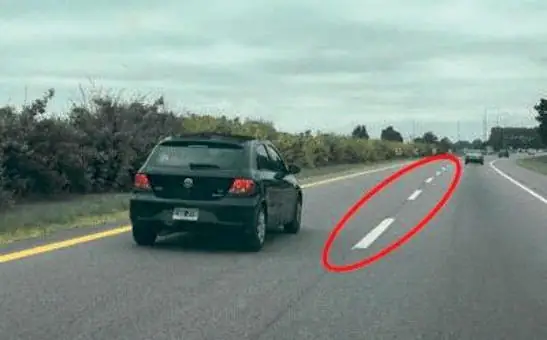
26. In the following image, what do the indicated center lines on the roadway mean?En la siguiente imagen, ¿qué indican las líneas centrales de la calzada señaladas?
AThat they may be crossed.Que se pueden traspasar.Correct answer
BThat crossing them is prohibited.Que está prohibido traspasarlas.
CThat it is a zone of maximum danger.Que es una zona de máximo peligro.
Classes A and B. Official question bank, p. 79.
27. Why does the color of road signs matter?¿Cuál es la importancia del color de las señales viales?
AThe color is meant to catch the attention of private-class drivers.El color es para llamar la atención al conductor de categoría particular.
BThe color is irrelevant to private drivers but matters to professional drivers.El color es irrelevante para el conductor particular pero sí para el conductor profesional.
CThe color, together with the shape, gives the driver information about the route of the road they are on.El color, además de su forma, brinda información al conductor sobre el trayecto de la vía por la cual circula.Correct answer
Classes A and B. Official question bank, p. 80.
28. What are warning signs?¿Cuáles son las señales preventivas?
ASigns that warn of an approaching situation or change in the normal state of the road that may be unexpected or dangerous for traffic.Aquellas que advierten la proximidad de una circunstancia o variación de la normalidad de la vía que puede resultar sorpresiva o peligrosa a la circulación.Correct answer
BSigns that neither give orders nor warn of irregularities or hazards on the road. They identify, guide and refer to services, places, etc.Aquellas que no transmiten órdenes ni previenen sobre irregularidades o riesgos en la vía. Identifican, orientan y hacen referencia a servicios, lugares, etc.
CSigns that give specific orders, which must be obeyed at the place they apply to.Aquellas que transmiten órdenes específicas, de cumplimiento obligatorio en el lugar para el cual están destinadas.
Classes A and B. Official question bank, p. 80.
29. What do regulatory signs indicate?¿Qué indican las señales reglamentarias?
AThey warn of an approaching situation or change in the normal state of the road that may be unexpected or dangerous for traffic.Advierten la proximidad de una circunstancia o variación de la normalidad de la vía que puede resultar sorpresiva o peligrosa a la circulación.
BThey identify, guide and refer to services, places, etc.Identifican, orientan y hacen referencia a servicios, lugares, etc.
CThey give specific orders, which must be obeyed at the place they apply to.Transmiten órdenes específicas, de cumplimiento obligatorio en el lugar para el cual están destinadas.Correct answer
Classes A and B. Official question bank, p. 80.
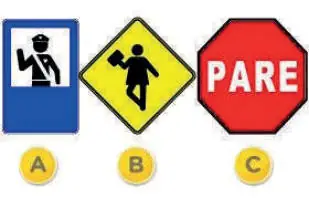
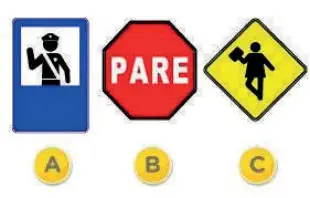
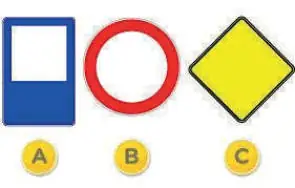
30. Which of these signs is a warning sign?¿Cuál de estas señales comunica “Prevención”?
ASign A.La señal A.
BSign B.La señal B.Correct answer
CSign C.La señal C.
Classes A and B. Official question bank, p. 80.
31. What color are "Parking allowed" signs?¿De qué color es la cartelería de Permitido Estacionar?
ABlue.Azul.Correct answer
Bwhiteblanco
Credrojo
Classes A and B. Official question bank, p. 81.
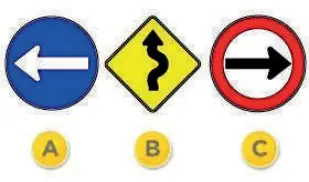
32. Which of these signs is regulatory?¿Cuál de estas señales es Reglamentaria?
ASign A.La señal A.
BSign B.La señal B.Correct answer
CSign C.La señal C.
Classes A and B. Official question bank, p. 81.
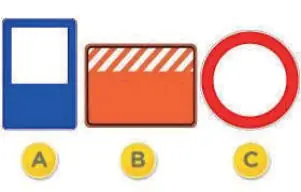
33. Which of these signs is a regulatory sign?¿Cuál de estas señales es una señal reglamentaria?
ASign A.La señal A.
BSign B.La señal B.
CSign C.La señal C.Correct answer
Classes A and B. Official question bank, p. 81.
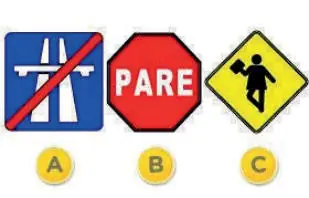
34. Which of these signs is an information sign?¿Cuál de estas señales es Informativa?
ASign A.La señal A.Correct answer
BSign B.La señal B.
CSign C.La señal C.
Classes A and B. Official question bank, p. 81.
35. Indicate what type of sign is shown below:Indique qué tipo de señal es la que a continuación se muestra:
AWarning.Preventiva.
BRegulatory.Reglamentaria.
CInformation.Informativa.Correct answer
Classes A and B. Official question bank, p. 82.
36. Which of the following images, by shape and color, is the sign indicating a roundabout or a steep slope?¿Cuál de las siguientes imágenes, por forma y color, corresponde a la señal indicativa de una rotonda o pendiente pronunciada?
AFigure A.Figura A.
BFigure B.Figura B.
CFigure C.Figura C.Correct answer
Classes A and B. Official question bank, p. 82.
37. Which of the following images, by shape and color, is the sign indicating that you are approaching a roadworks area?¿Cuál de las siguientes imágenes, por forma y color, corresponde a la señal indicativa de estar próximo a una zona afectada por obras?
AFigure A.Figura A.
BFigure B.Figura B.Correct answer
CFigure C.Figura C.
Classes A and B. Official question bank, p. 83.
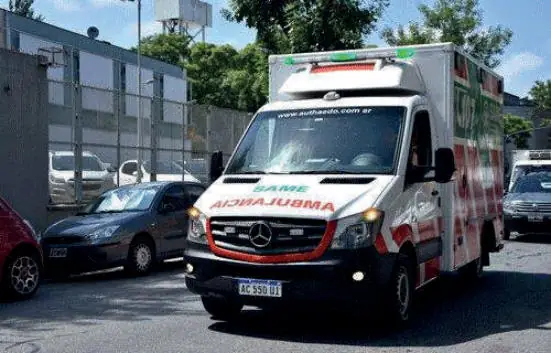
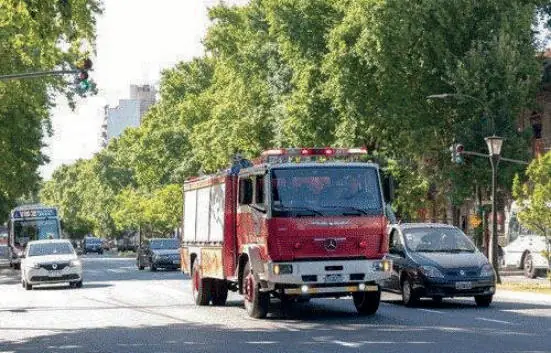
38. In the following emergency situation, what must drivers nearby do?Frente a la siguiente situación de emergencia, ¿qué deben hacer los conductores que circulen en su proximidad?
ASpeed up so as not to get in this vehicle's way.Aumentar la velocidad para no ser un obstáculo a este vehículo.
BWarn other drivers about this vehicle by sounding the horn repeatedly.Avisar a otros conductores de la presencia de este vehículo, usando repetidamente la bocina.
CMake way for this vehicle, clear the emergency lane and stop if necessary.Dar lugar a este vehículo, despejar el carril de emergencias y si fuera necesario detenerse.Correct answer
Classes A and B. Official question bank, p. 83.
39. The following symbol indicates a lane that must be cleared when an emergency vehicle approaches.El siguiente símbolo indica que se trata de un carril que debe ser liberado cuando se aproxima un vehículo en emergencia.
ATrue.Verdadero.Correct answer
BFalse.Falso.
Classes A and B. Official question bank, p. 84.
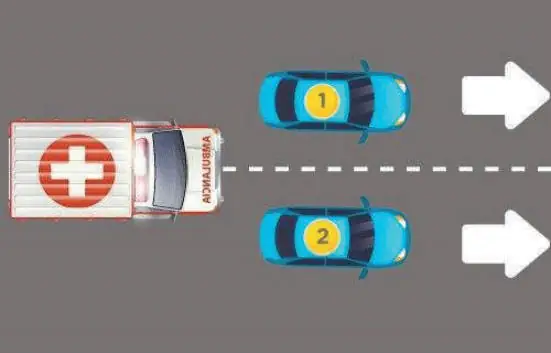
40. In the following emergency situation, which way is it advisable for the vehicles in the image to move to let the ambulance through?Frente a la siguiente situación de emergencia, ¿hacia qué sector es recomendable que se aparten los vehículos de la imagen para facilitar el paso a la ambulancia?
ABoth to their right.Ambos hacia su derecha.
BOnly car 2 should move, to its right.El único que debería apartarse es el auto 2 hacia su derecha.
CCar 1 to its left and car 2 to its right.El auto 1 hacia su izquierda y el 2 hacia su derecha.Correct answer
Classes A and B. Official question bank, p. 84.
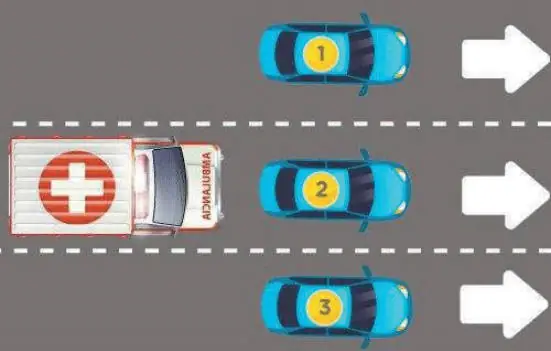
41. In the following emergency situation, which way is it advisable for the vehicles in the image to move to let the ambulance through?Frente a la siguiente situación de emergencia, ¿hacia qué sector es recomendable que se aparten los vehículos de la imagen para facilitar el paso a la ambulancia?
AOnly car 2 should move, to its right.El único que debería apartarse es el auto 2 hacia su derecha.
BAll of them to their right.Todos hacia su derecha.
CCar 1 to its left, while cars 2 and 3 to their right.El auto 1 hacia su izquierda, mientras que el 2 y 3 hacia su derecha.Correct answer
Classes A and B. Official question bank, p. 85.
42. In the following emergency situation, what must drivers nearby do?Frente a la siguiente situación de emergencia, ¿qué deben hacer los conductores que circulen en su proximidad?
ASpeed up so as not to get in this vehicle's way.Aumentar la velocidad para no ser un obstáculo a este vehículo.
BWarn other drivers about this vehicle by sounding the horn repeatedly.Avisar a otros conductores de la presencia de este vehículo, usando repetidamente la bocina.
CMake way for this vehicle, clear the emergency lane and stop if necessary.Dar lugar a este vehículo, despejar el carril de emergencias y si fuera necesario detenerse.Correct answer
Classes A and B. Official question bank, p. 86.
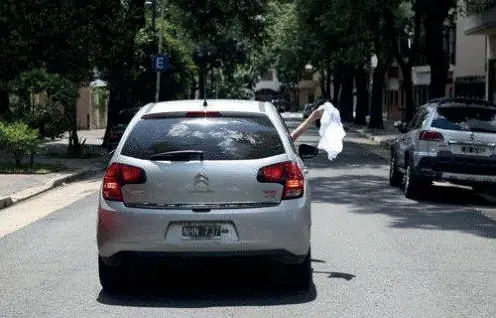
43. You are in the following situation, in which the driver is sounding the horn repeatedly. What should you do if you are driving nearby?Ud. se encuentra frente a la siguiente situación donde el conductor toca repetidamente la bocina, ¿qué debe hacer si se encuentra conduciendo en su proximidad?
AGive way, since they are signaling an emergency.Cederle el paso, ya que está indicando que se encuentra en emergencia.Correct answer
BOffer help, since they are signaling that the vehicle has a mechanical failure.Brindar mi colaboración, ya que está indicando que el vehículo tiene un desperfecto mecánico.
CWarn other drivers, by sounding the horn repeatedly, that this vehicle will cross a…Alertar a otros conductores, tocando repetidamente la bocina, que ese vehículo cruzará un se
Classes A and B. Official question bank, p. 86.
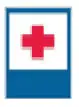
44. Indicate the correct one:Indique cual es la correcta:
AFirst-aid postPuesto sanitarioCorrect answer
BEmergenciesEmergencias
CPolicePolicía
Classes A and B. Official question bank, p. 87.
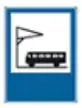
45. The following sign indicates:La siguiente señal indica:
APublic transport stop.Detención transporte público.
BBus terminalTerminal ómnibusCorrect answer
CScenic viewpointPunto panorámico
Classes A and B. Official question bank, p. 87.
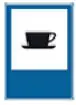
46. The following sign indicates:La siguiente señal indica:
AHotelHotelCorrect answer
BHospitalHospital
CRest area.Zona de descanso.
Classes A and B. Official question bank, p. 87.
47. The following sign indicates:La siguiente señal indica:
ASquarePlaza
BRecreation areaLugar para recreaciónCorrect answer
CCampsiteCampamento
Classes A and B. Official question bank, p. 87.
48. The following sign indicates:La siguiente señal indica:
AService stationEstación de servicio
BBarBarCorrect answer
CRestaurantRestaurant
Classes A and B. Official question bank, p. 88.
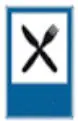
49. The following sign indicates:La siguiente señal indica:
AHotelHotel
BBarBar
CRestaurantRestauranteCorrect answer
Classes A and B. Official question bank, p. 88.
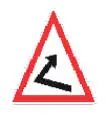
50. The following sign indicates:La siguiente señal indica:
Asharp bendcurva cerradaCorrect answer
Bwinding roadcamino sinuoso
Cturning allowedpermitido girar
Classes A and B. Official question bank, p. 88.
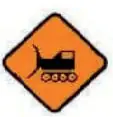
51. The following sign indicates:La siguiente señal indica:
ASpecial machineryMaquinaria especial
BMen at workHombres trabajando
CHeavy equipment on the roadEquipo pesado en la víaCorrect answer
Classes A and B. Official question bank, p. 89.
52. The following sign indicates:La siguiente señal indica:
84. The following sign indicates:La siguiente señal indica:
APan-American HighwayRuta panamericana
BNational highwayRuta nacionalCorrect answer
CProvincial highwayRuta provincial
Classes A and B. Official question bank, p. 98.
85. The following sign indicates:La siguiente señal indica:
APan-American HighwayRuta panamericana
BNational highwayRuta nacional
CProvincial highwayRuta provincialCorrect answer
Classes A and B. Official question bank, p. 98.
86. The following sign indicates:La siguiente señal indica:
AService stationEstación de servicio
BTire repair shopGomeríaCorrect answer
CPolicePolicía
Classes A and B. Official question bank, p. 99.
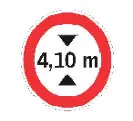
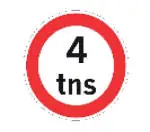
87. The following sign indicatesLa siguiente señal indica
AHeight limitLimitación de alturaCorrect answer
BWidth limitLimitación de ancho
CVehicle length limitLimitación de largo de vehículo
Classes A and B. Official question bank, p. 99.
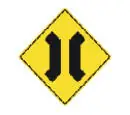
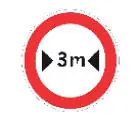
88. The following sign indicatesLa siguiente señal indica
AHeight limitLimitación de altura
BWidth limitLimitación de anchoCorrect answer
CVehicle length limitLimitación de largo de vehículo
Classes A and B. Official question bank, p. 99.
89. The following sign indicatesLa siguiente señal indica
AWeight limitLimitación de pesoCorrect answer
BAxle weight limitLimitación de peso por eje
CHeight limitLimitación de altura
Classes A and B. Official question bank, p. 100.
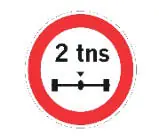
90. The following sign indicatesLa siguiente señal indica
AWeight limitLimitación de peso
BAxle weight limitLimitación de peso por ejeCorrect answer
CHeight limitLimitación de altura
Classes A and B. Official question bank, p. 100.
91. Regulatory signs are round and white with red borders.Las señales reglamentarias son redondas, blancas y con bordes rojos.
ATrue.Verdadero.Correct answer
BFalse.Falso.
Classes A and B. Official question bank, p. 100.
92. A blue or green square or rectangle is:Si nos encontramos ante un cuadrado o rectángulo azul o verde se trata de:
Aa regulatory signuna señal reglamentaria
Ba warning signuna señal preventiva
Can information and guide signuna señal de información y orientaciónCorrect answer
Classes A and B. Official question bank, p. 100.
93. Round white signs with red borders are warning signs.Las señales redondas, blancas y con bordes rojos son señales de prevención.
ATrue.Verdadero.
BFalse.Falso.Correct answer
Classes A and B. Official question bank, p. 101.
94. Violating or ignoring a warning sign leads to a penalty from the competent authority.Violar o hacer caso omiso a una señal de prevención implica una sanción por parte de la autoridad competente.
ATrue.Verdadero.
BFalse.Falso.Correct answer
Classes A and B. Official question bank, p. 101.
95. Violating or ignoring an information sign does not amount to an offense.Violar o hacer caso omiso a una señal de información no conlleva a cometer una infracción.
ATrue.Verdadero.Correct answer
BFalse.Falso.
Classes A and B. Official question bank, p. 101.
Eliminatory
96. Regulatory signs are rules that must be obeyedLas señales reglamentarias son normas de cumplimiento obligatorio
ATrue.Verdadero.Correct answer
BFalse.Falso.
Classes A and B. Official question bank, p. 101.
97. Information signs alert or warn us about a particular matterLas señales informativas nos alertan o advierten una cuestión determinada
ATrue.Verdadero.
BFalse.Falso.Correct answer
Classes A and B. Official question bank, p. 101.
98. All signs (except lights) must be retroreflectiveTodas las señales (salvo luces) deben ser retroreflectivas
ATrue.Verdadero.Correct answer
BFalse.Falso.
Classes A and B. Official question bank, p. 101.
99. Regulatory signs are yellow squares set on one cornerLas señales reglamentarias son cuadradas con diagonal vertical y amarillas